Noise 2050 Publications
IDENTIFYING EMERGING ENVIRONMENTAL NOISE CHALLENGES AND FUTURE PRIORITIES IN IRELAND: INSIGHTS FROM THE FIRST NATIONAL NOISE SUMMIT
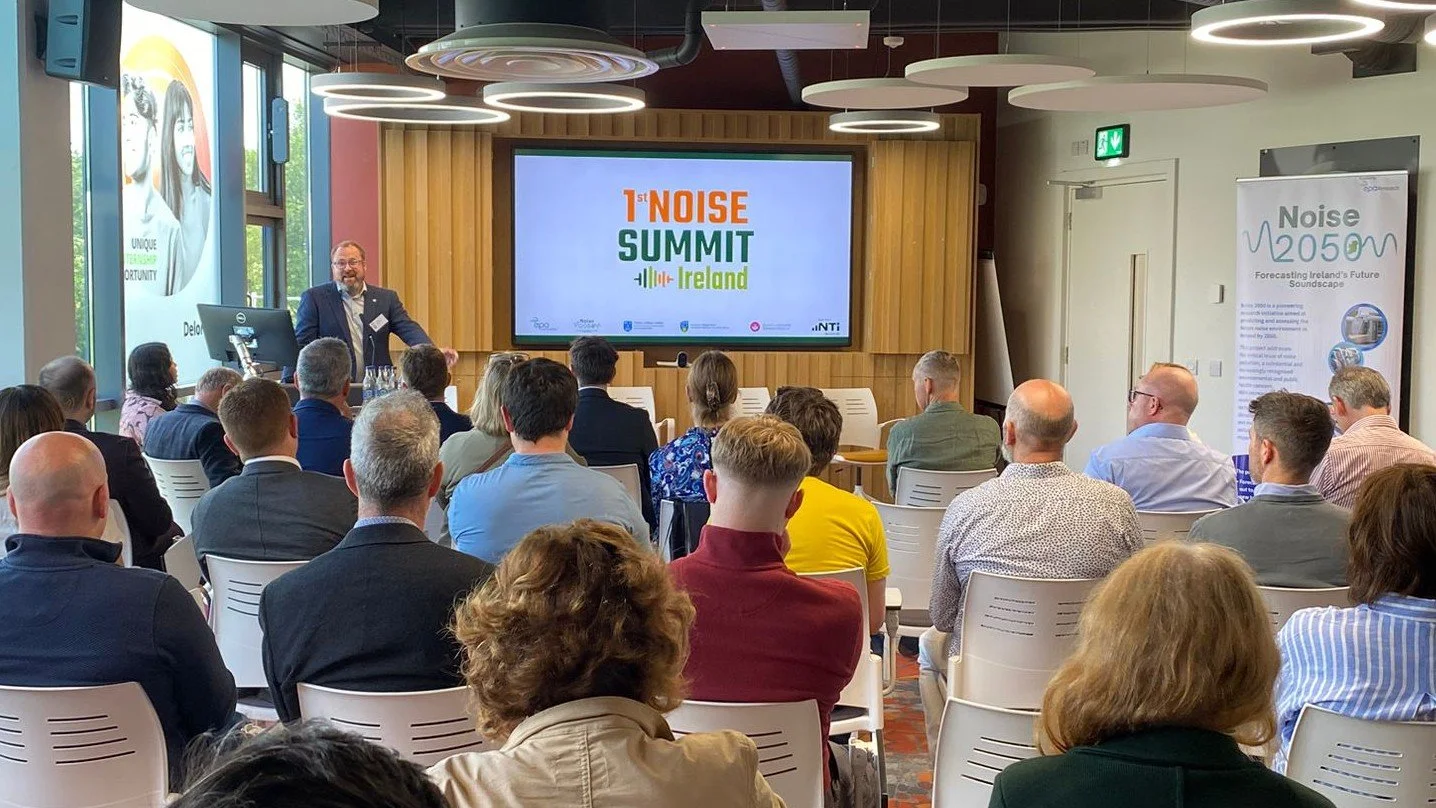
Technological advancements are redefining environ mental noise scenarios, with sources such as electric vehicles and drones becoming increasingly common in urban areas. In this context, the EPA-funded Noise 2050 project in Ireland explores future noise environ ments towards 2050 and how to prepare for emerg ing challenges. To support this objective, the Noise 2050 Project team organised Ireland’s first National Noise Summit, bringing together stakeholders from public authorities, policymaking, research, infrastruc ture, consultancy, and industry. In advance of the event, participants completed a structured question naire addressing current noise challenges, key barri ers, priority emerging sources, and future challenges. Preliminary analysis indicates concerns related to reg ulatory limitations, data gaps, and cross-sector coor dination, alongside the growing relevance of sources such as drones, heat pumps and wind turbines. Re sults informed discussion during the summit. The event included interactive breakout sessions focused on three key themes: the future noise environment, citizen science and monitoring, and interventions for a healthy environment, enabling focused discussion and collaborative identification of priorities. As a result of this engagement, this paper reports on the future environmental noise challenges for Ireland as well as the strategic direction of the Noise 2050 project.
Forum Acusticum 2026, Graz - Austria
PREDICTING THE IMPACT OF FUTURE LIGHT-RAIL EXPANSION ON URBAN PARK SOUNDSCAPES USING CNOSSOS-EU AND THE TRAPT MODEL
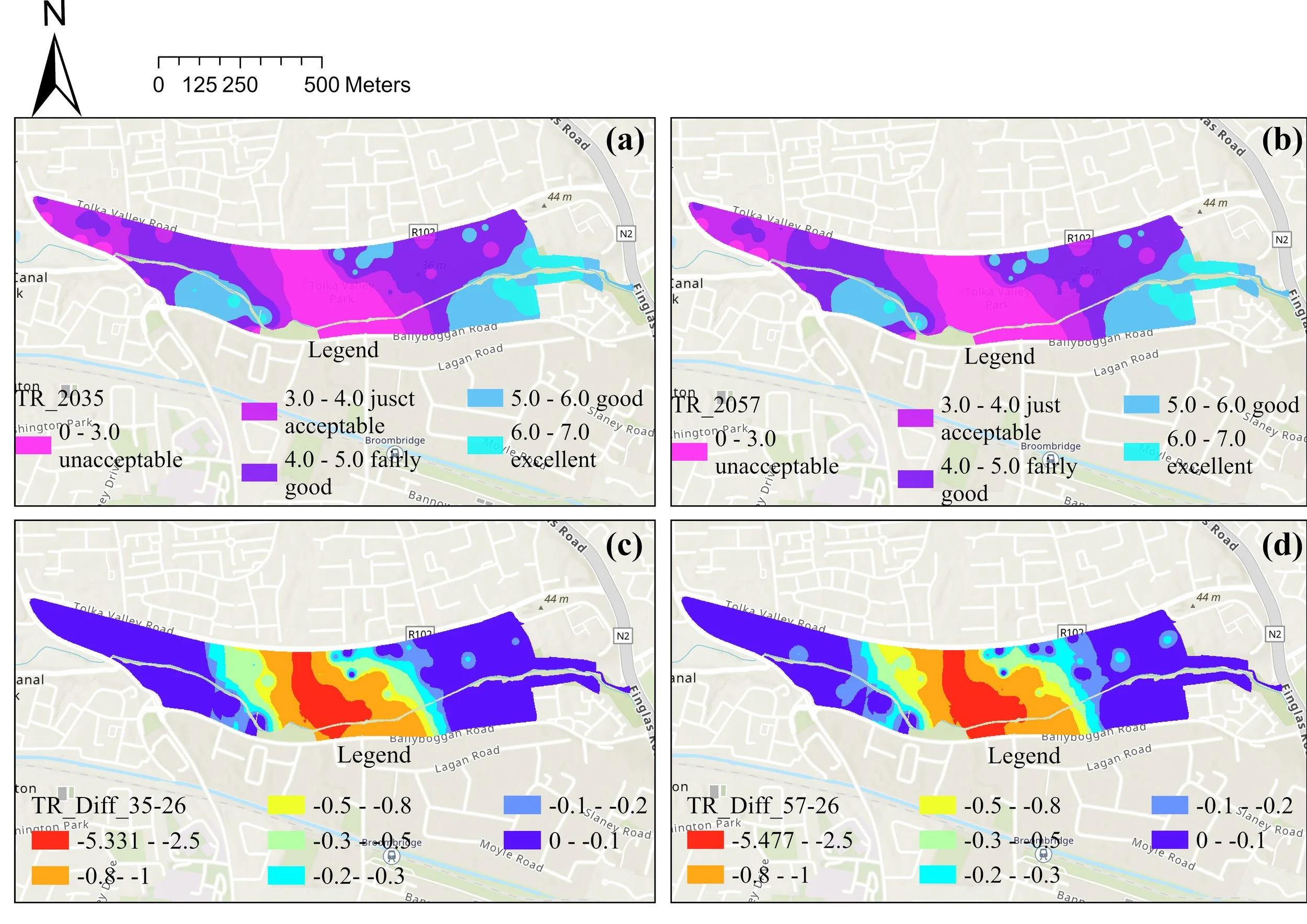
Potential environmental noise from future transportation expansion, driven by urbanization and traffic growth, poses significant risks to human health, making it urgent to predict and quantify. In contrast, urban parks serve as important spaces for escaping the increasingly noisy urban environment. Previous studies have applied the Tranquillity Rating Prediction Tool (TRAPT), integrating acoustic indicators with visual factors, to assess tranquillity in urban parks. However, with the rapid expansion of light-rail systems and the widespread adoption of the CNOSSOS-EU noise modelling framework in Europe, there is an urgent need to evaluate future soundscape conditions under projected scenarios. This study conducted sound pressure level measurements and photographic surveys at 57 locations within the park. The CNOSSOS-EU framework was applied to predict noise levels associated with the planned Dublin Luas light-rail extension in Tolka Valley Park. Tranquillity mapping was then performed using the TRAPT and Inverse Distance Weighting (IDW) under different traffic volume scenarios for 2035 and 2057. The results indicate a general decline in tranquillity ratings across the park. The most affected areas decrease by 5.33 in 2035 and 5.48 in 2057. The median sound pressure level increases from 56.9 dB (2026) to 59.4 dB (2035) and 59.8 dB (2057), with peaks reaching 90.0 dB.
Forum Acusticum 2026, Graz - Austria